
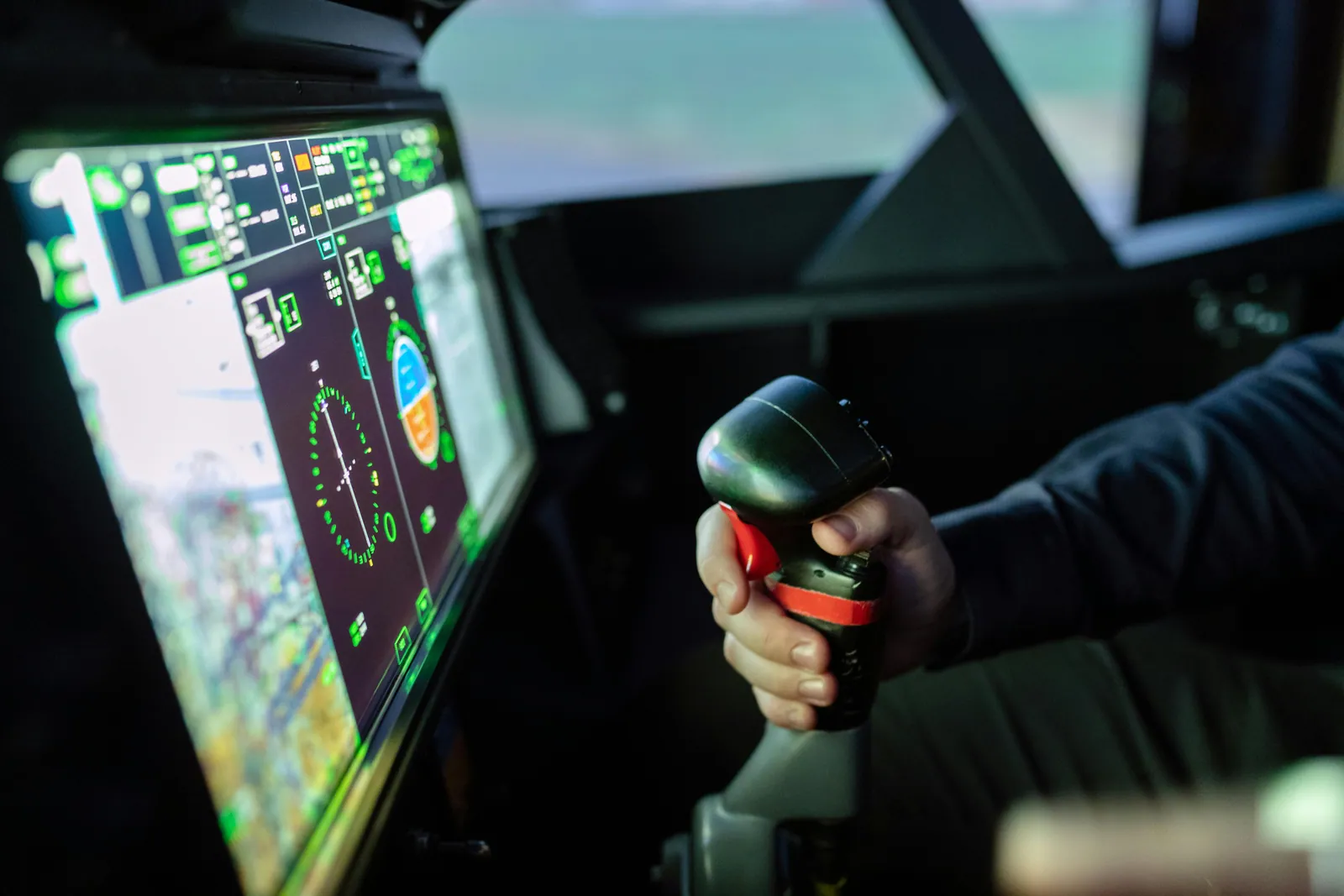
The HMI is now part of the work itself
A human–machine interface is more than a screen. It is where the operator reads machine state, selects actions, acknowledges alarms and decides what to do next. A person may understand the mechanical process yet still struggle if the interface logic, symbols or sequence are unfamiliar.
Industry 4.0 increases this challenge. Machines expose more data, systems are interconnected and faults can propagate across a process. Training must therefore cover not only which button to press, but why a value matters and how one action affects the next stage.
Why live-machine training is often insufficient
Production equipment is built to produce, not to provide unlimited practice. Training on the live machine competes with output, depends on an instructor and may exclude abnormal situations because they are unsafe or expensive to reproduce. Learners can become passive observers instead of active decision-makers.
- Limited access during production hours
- Risk of damage, waste or downtime
- Inconsistent exposure to alarms and faults
- Pressure that discourages questions and repetition
What a simulator adds
A software simulator can reproduce the important controls, screens and operating sequence without copying every engineering detail. Learners can repeat a task, receive prompts, make low-consequence mistakes and practise selected fault responses.
The best simulator is not necessarily a perfect digital twin. It is a focused learning environment. Fidelity should be high where it affects decisions and simpler where added detail would not improve performance.
Design HMI training around decisions
Start with the actions that distinguish a prepared operator: recognising the machine state, selecting the correct mode, checking interlocks, interpreting an alarm and escalating when required. Build scenarios around those decisions, then measure accuracy, sequence and response time.
Simulation also supports change management. When an HMI is updated, operators can become familiar with the new layout before the release reaches the production floor. This reduces the gap between technical implementation and operational readiness.
Where AI fits—and where it does not
AI may help personalise feedback, explain errors or analyse patterns across learner attempts. It does not replace validated operating procedures, competent instructors or safe engineering controls. Use AI as a support layer while keeping the required action and assessment logic grounded in approved process knowledge.